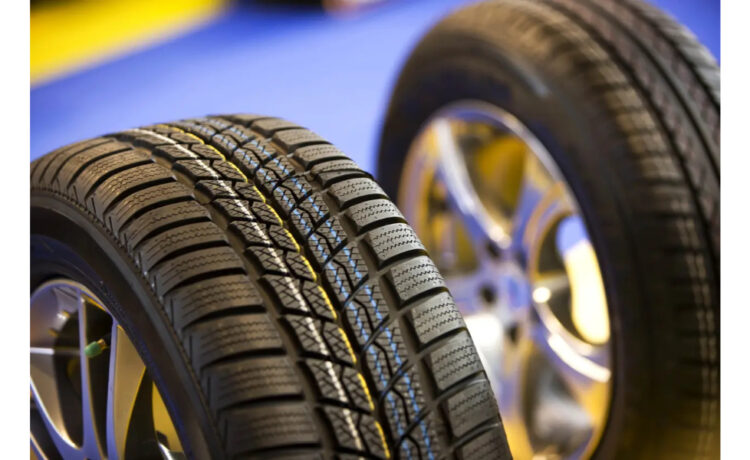
Tires are one of the most important parts of any vehicle, yet many people underestimate their role in overall safety and performance. They are the only point of contact between your vehicle and the road, which means they directly influence how your car handles, brakes, and rides. Understanding how tires work and maintaining them properly can save you from accidents and improve the driving experience.
The Role of Tires in Vehicle Safety
Tires play a critical role in keeping you safe on the road. Good tires provide the traction needed to grip the road surface in various conditions, including rain, snow, or dry weather. When tires are worn out or not properly inflated, your vehicle may skid or take longer to stop, increasing the risk of accidents. Properly maintained tires ensure that your car responds accurately to steering and braking, giving you more control in emergency situations. Additionally, tires with the right tread depth help prevent hydroplaning, which occurs when water builds up between the tires and the road, causing the car to lose contact with the surface.
How Tires Affect Vehicle Performance
Tires don’t just impact safety—they also influence how your vehicle performs. The right tires improve handling, stability, and fuel efficiency. Tires with high rolling resistance can make your car consume more fuel, while well-maintained tires with proper alignment can enhance acceleration and smoothness during turns. Performance tires are specifically designed to improve cornering and responsiveness, which is particularly important for drivers who enjoy spirited driving or need precise control in varying road conditions. On the other hand, worn or mismatched tires can lead to uneven handling, vibration, and discomfort while driving.
The Importance of Tire Maintenance
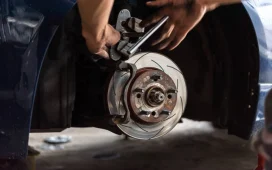
Regular tire maintenance is essential for both safety and performance. Checking tire pressure, rotating tires, and inspecting for damage can extend the life of your tires and prevent unexpected failures. Tire pressure should be checked at least once a month and adjusted according to the manufacturer’s recommendations. Rotating tires helps distribute wear evenly, which ensures better traction and prolongs tire life. Inspecting tires for cuts, punctures, or uneven wear patterns can alert you to issues with alignment, suspension, or road hazards, allowing you to address problems before they become serious.
Choosing the Right Tires for Your Vehicle
Selecting the right tires for your vehicle is just as important as maintaining them. Tires are designed for specific driving conditions, such as all-season, winter, or performance tires. Choosing the appropriate type ensures that your vehicle can handle the conditions you encounter most often. Additionally, the size, speed rating, and load capacity of tires must match your vehicle’s specifications. Using the correct tires not only enhances safety but also improves comfort, fuel efficiency, and overall driving performance.
Conclusion
Tires are a fundamental component that affects both the safety and performance of your vehicle. Properly maintained and correctly chosen tires provide better traction, handling, and fuel efficiency while reducing the risk of accidents. Regular inspections, pressure checks, and rotations are essential practices for keeping tires in optimal condition. By understanding the impact tires have on your car, you can make informed decisions that enhance your driving experience and protect yourself and others on the road. Investing time and attention in your tires is an investment in your safety and the longevity of your vehicle.