The engine creates immense power for the vehicle. This energy must reach the drive wheels safely. A complex system of gears manages this movement. The differential sits at the center of this process. It allows wheels to turn at different speeds. This function is vital during every single turn. High-quality seals keep the internal fluids inside. These components protect the gears from outside dirt. Diesel Repair in Houston, TX experts often check these vital parts. Proper maintenance ensures the vehicle runs very smoothly. You should trust STP Diesel for your inspection needs.
The Purpose of Differential Seals
Differential seals act as a firm barrier. They hold specialized oil within the gear housing. This thick fluid lubricates the heavy spinning metal. Friction would destroy the gears without this oil. Now, the seals prevent leaks onto the ground.
They also stop water from entering the unit. Moisture causes rust on the sensitive metal parts. Sometimes, a tiny gap causes a major leak. You can rely on STP Diesel to fix it. These rubber parts withstand extreme heat and pressure. The seal maintains the pressure within the system.
How Power Transfer Works Locally
The transmission sends torque down the long driveshaft. This shaft connects directly to the differential assembly. The pinion gear receives the incoming rotational force. It transfers energy to the large ring gear. This change in direction powers the axle shafts. Each axle then spins the individual rubber tires. The differential gears must remain submerged in oil. Fluid reduces the heat from the moving parts. But the seals must remain perfectly intact always. A broken seal stops the power transfer eventually. STP Diesel provides excellent service for these drivetrain components.
Signs of a Failing Differential Seal
You might notice dark spots on the driveway. These puddles often indicate a failing pinion seal. The oil has a very distinct pungent smell. Sometimes, the rear of the car makes noise. A humming sound suggests low fluid levels within.
This happens when the seals lose their shape. The rubber becomes brittle over many long years. Now, the internal gears grind against each other. Dirt enters through the cracks in the rubber. You must address these issues before parts fail. Ignoring the leak leads to very expensive repairs.
The Replacement Process for Seals
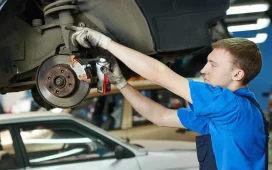
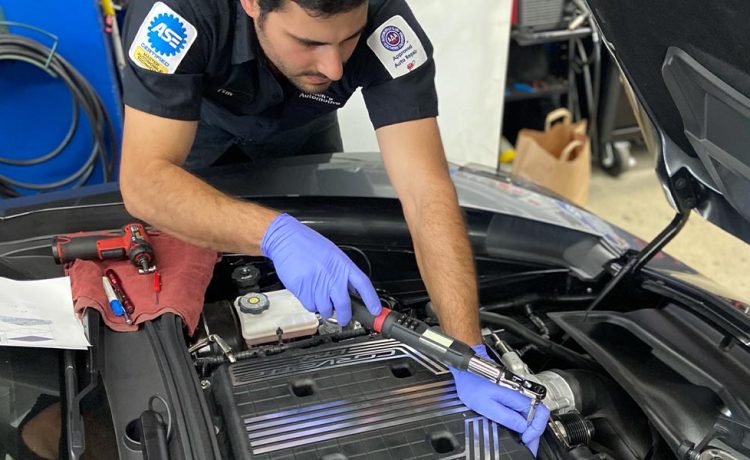
The technician must first remove the heavy driveshaft. They carefully pull the old seal from housing. The metal surfaces require a very thorough cleaning. Then, the specialist installs a brand new part. They use a special tool for even pressure. This ensures the rubber sits perfectly in place. The team refills the unit with fresh oil. Now, the differential operates quietly and efficiently again. This task requires precision and the right tools. Professional shops handle this work with great care. A proper fit prevents future leaks for miles.