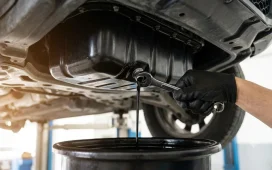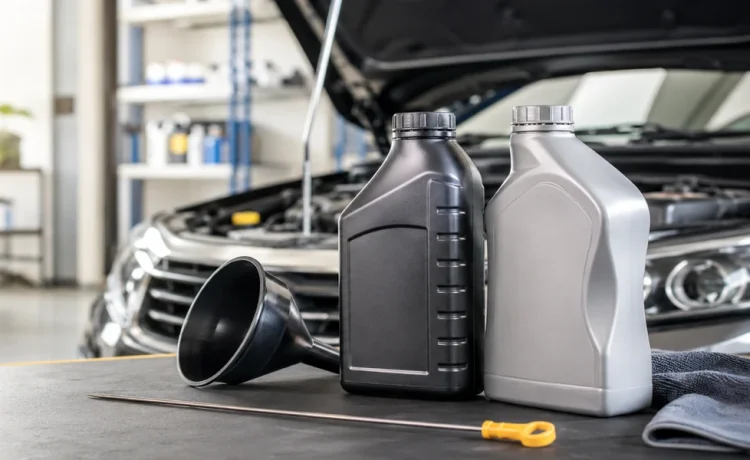
Many drivers wonder if switching from conventional oil to synthetic oil is safe. The short answer is yes, in most cases. Modern engines can usually switch from conventional to synthetic oil without trouble, as long as the oil matches the vehicle’s required viscosity and specifications.
Still, it helps to understand what changes when you make the switch.
Conventional oil comes from refined crude oil. It provides basic lubrication for the engine and works well for many standard driving conditions. Synthetic oil is also made from base oil, but it is more refined and engineered to perform better under heat, cold, and heavy use.
The main job of any engine oil is to reduce friction. Oil coats moving parts inside the engine so metal surfaces do not grind against each other. It also helps carry away heat, reduce deposits, protect against wear, and keep the engine cleaner.
Synthetic oil often does these jobs better for longer periods. It handles high temperatures better, flows more easily in cold starts, and resists breakdown better than conventional oil. That is why many newer vehicles require synthetic oil or synthetic blend oil.
One common myth is that switching to synthetic oil can damage an older engine. In most cases, this is not true. Synthetic oil itself does not harm seals or cause leaks. However, it can clean away sludge that may have been hiding worn seals or old gasket problems. If an engine already has weak seals, the leak may become more noticeable after switching.
That does not mean synthetic oil caused the problem. It usually means the problem was already there.
Before switching, check your owner’s manual. The manual will tell you the correct oil viscosity, such as 5W-30 or 0W-20, and any required oil standards. This matters more than whether the oil is conventional or synthetic. Using the wrong viscosity can affect lubrication, fuel economy, and engine protection.
You should also consider the age and condition of the vehicle. A well-maintained engine usually handles the switch easily. If the engine has heavy sludge, serious leaks, or a long history of missed oil changes, it may be better to have it inspected before changing oil types.
High-mileage vehicles can often use synthetic oil too. In fact, some synthetic oils are made specifically for higher-mileage engines. These oils may include additives designed to support seals and reduce oil consumption. They are not a cure for mechanical problems, but they can be useful for engines with normal aging.
Another question is whether you can switch back to conventional oil after using synthetic. Yes, you can. It is generally safe to switch between conventional, synthetic blend, and full synthetic oil, as long as each oil meets the vehicle’s requirements. However, many drivers stay with synthetic once they switch because of the added protection and longer performance life.
Synthetic oil may cost more upfront, but it can offer benefits over time. It may allow longer oil change intervals, depending on the vehicle and driving conditions. It can also help protect engines that deal with stop-and-go traffic, hot weather, towing, short trips, or frequent highway driving.
Still, longer oil life does not mean you should ignore maintenance. Always follow the oil change interval recommended for your vehicle and driving habits. Severe driving conditions may require more frequent service, even with synthetic oil.
The safest way to switch is simple. Choose the correct viscosity, use oil that meets the required standards, replace the oil filter, and monitor the engine afterward. Check for leaks, unusual noises, oil burning, or warning lights. Most drivers will notice no problem at all.
Switching from conventional to synthetic oil is usually safe and often beneficial. The key is using the right oil for your engine, not just choosing the most expensive bottle. When done properly, synthetic oil can give your engine cleaner operation, stronger protection, and better performance in demanding conditions.
This post was written by a professional at Tires2Go Florida. Tires2Go Florida is a trusted automotive service center located in Pinellas Park, Florida, serving drivers across St. Petersburg, Tampa, Clearwater, and Largo. Our certified mechanic St Petersburg handle tire and wheel replacement, brakes in Pinellas Park, suspension repairs, oil changes, wheel alignments, tire balancing, and road force balancing. We also specialize in ADAS calibration, suspension modifications, lift kits, and lowering kits using quality parts and modern diagnostic equipment. From routine maintenance to advanced automotive services, Tires2Go Florida provides dependable solutions and tires for sale for vehicles throughout the Tampa Bay area.