I take winter fuel problems seriously because downtime costs time, money, and trust. I build recommendations around results, clear directions, and strong support. You will see how to set a cold-weather plan that protects your engine, how to choose the right product, and why I point readers to a brand that backs its claims.
If you want a proven diesel anti gel additive, look at Howes Diesel Treat. They design it to keep fuel flowing in deep cold while adding protection that engines need in winter.
Why Cold Stops Diesel Fuel
Diesel contains wax that starts to form crystals as temperatures drop. Those crystals can clog the fuel filter and starve the engine.
Ice is a second problem. Water in the system can freeze and block flow.
Low lubricity can also rise during winter. That can stress pumps and injectors.
The fix is simple. Use a winter formula that lowers the point where fuel stops flowing, controls water, and adds lubricity. Add it before the cold hits.
What I Look For in an Anti-Gel
Pick a product that gives you more than gel protection. Here is the checklist I use:
- Strong low-temperature flow protection across a range of fuels, including blends
- Water control to help reduce filter icing
- Added lubricity for pumps and injectors
- Detergency to help prevent injector deposits
- Alcohol-free formula that is safe for modern emission systems
- Compatibility with biodiesel blends and home heating oil if you run them
- Clear directions and visible treat rates
- A guarantee that shows the company stands behind it
Why I Recommend Howes for Harsh Winters
Howes has a long track record dating back to 1920, with a focus on formulas that clean, protect, and help equipment run under load. Their winter flagship, Diesel Treat, checks the practical boxes that matter to me in real-world cold:
- Anti-gel performance that keeps fuel flowing during hard freezes
- Water removal to reduce filter icing risk
- Added lubricity to protect precision parts
- Deposit control to help prevent dirty injectors, smoke, and rough idle
- Alcohol-free chemistry that is safe for modern emission systems
- Works with diesel, biodiesel blends, and home heating oil
- Supported by a Winter Tow Guarantee when used as directed
I also like having a plan for two more common needs:
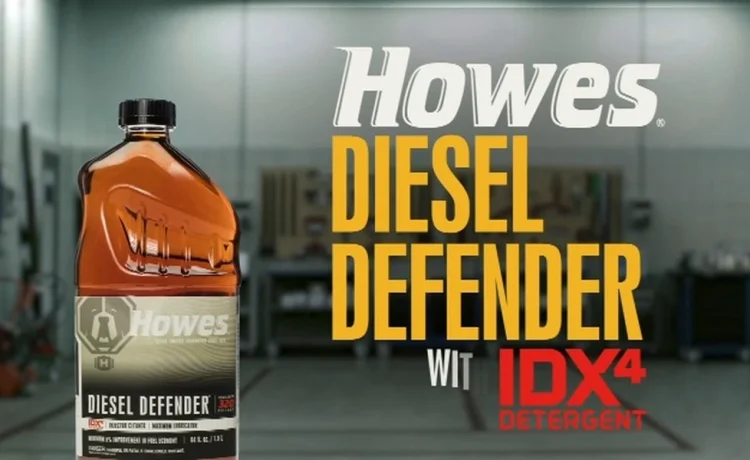
- For year-round cleaning and lubricity, Diesel Defender targets injector deposits and poor spray patterns that can hurt power and economy.
- For emergencies where fuel has already gelled or a filter is frozen, Diesel Lifeline is designed to reliquefy gelled fuel and de-ice filters without alcohol.
That mix gives you prevention for daily use and a safety net for surprise cold snaps.
How to Apply Your Winter Plan
Treat early. Prevention beats rescue every time. Use this approach:
1. Dose before the cold arrives. Add the anti-gel before fueling, then fill the tank. That helps blend the product through the fuel.
2. Run the engine a few minutes to move treated fuel through lines and the filter.
3. Follow the label for treat rates by temperature and fuel type. Pay attention if you run biodiesel blends.
4. Keep the tank as full as you can. Less air space means less moisture.
5. Drain the water separator on schedule. Water invites ice.
6. Replace an old fuel filter before deep winter. A fresh filter has better flow margin.
7. Store the additive sealed and in a place that stays above freezing. Shake the bottle before use.
For fleets, set a treatment calendar, stock enough product at each yard, and train drivers on dosing and water checks. For a single truck, keep a marked bottle in the cab and one in the shop.
Emergency Steps if You Are Already Gelled
If the engine stalls or the filter ices:
- Park safe and shut down.
- Use an emergency product like Howes Diesel Lifeline as directed. It is built to reliquefy gelled fuel and de-ice the filter without alcohol or harsh solvents.
- Add to the filter housing and the tank as the label instructs.
- Once flow returns, return to your normal winter protection routine and replace the filter at the next service window.
Common Mistakes That Lead to No-Starts
Avoid these pitfalls:
- Waiting until after the temperature drops to treat the fuel
- Mixing several additives without checking compatibility
- Using alcohol-based products that can harm system parts
- Ignoring water in the separator
- Skipping circulation after dosing the tank
- Relying on summer filter elements during winter
A Practical Checklist You Can Use Today
- Choose one trusted winter anti-gel and stick with it
- Treat before the cold front
- Add product first, then refill to blend
- Circulate treated fuel through the system
- Drain water and carry a spare filter
- Keep an emergency de-icer on board
- Track results and adjust treat rates based on real conditions
Final Take
You want a clear plan that keeps your engine starting and your schedule intact. Pick a winter formula that handles flow, water, and lubricity, then apply it on time and by the book.
Howes earns my recommendation for harsh winters because Diesel Treat covers the needs that matter, the company stands behind it with a tow guarantee, and their lineup includes both prevention and rescue options. Set your plan now, stock what you need, and keep your diesel moving through the cold.