A smooth throttle response is something most drivers take for granted—until their Chevy starts to hesitate, ineffective roughly, or stay out at a stoplight. In many cases, the root cause is a question with the throttle physique, a critical component responsible for regulating light wind into the engine.
When it becomes dirty, used, or electronically unstable, act problems perform quickly.
Common Symptoms of Throttle Body Issues
Throttle physique problems often start limited but worsen over a period. Chevy owners usually notice:
1. Hesitation During Acceleration
A dirty or sticking choke plate disrupts the air–fuel ratio, causing a delay when you press the gas. You can visit shops for Auto Repair in Goshen, IN.
2. Stalling at Idle or While Stopping
If the choke body fails to maintain stable light wind at low RPMs, the appliance may malfunction unexpectedly.
3. Rough or High Idle
Irregular light wind leads to fluctuating engine speed, constantly causing an extreme idle that won’t calm down.
4. Check Engine Light
Throttle-connected trouble codes often involve idle control whole errors, throttle position sensor faults, or airflow discrepancies.
Why Chevy Throttle Bodies Develop Problems
Chevy appliances are reliable, but choke bodies are exposed to burdensome carbon development and constant energetic demand. Here are the most prevalent causes technicians of shops like Dave’s Auto Repair see:
1. Carbon and Oil Buildup
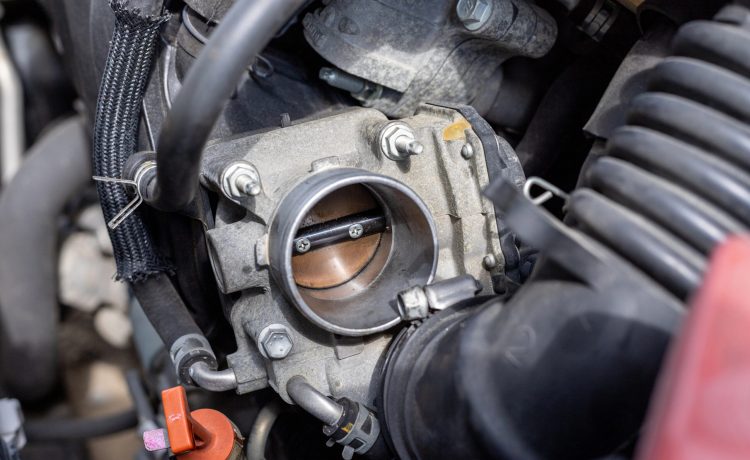
Over time, crankcase vapors from the PCV valve carry lubricating residue into the combustion. This residue coats the throttle plate and divider, restricting light wind and causing positioning.
2. Electrical or Motor Failure
Drive-by-wire motors can wear out or suffer from weak connections. When the engine can’t move the throttle plate correctly, uncertainty or stalling happens.
3. Vacuum Leaks
A leak near the consumption can mimic throttle body issues by upsetting the air–fuel balance.
4. Poor Maintenance
Long intervals between air filter changes or avoiding early symptoms can lead to problems developing faster.
How Technicians Diagnose Throttle Body Issues
An uncertainty or stalling illness doesn’t automatically mean the throttle body is bad. Professional procedures follow a method to pinpoint the mistake:
· Electronic System Scan
Scan tools reveal throttle position readings, idle control principles, and stored error codes.
· Visual Inspection
Technicians remove the consumption ducting and examine the throttle plate for element buildup or affixing.
· Testing TPS Function
Live data helps validate whether throttle position readings correspond to pedal recommendations.
· Checking for Vacuum Leaks
Smoke machines or pressure tests identify air leaks in the intake arrangement.
· Drive Cycle Testing
After cleansing or repairs, a test drive confirms that the engine responds perfectly.
Conclusion
A clean, well-functioning throttle body supports more flowing acceleration, better fuel saving, and more reliable act. Throttle body questions are prevalent in up-to-date Chevys, but they’re more preventable and repairable by experts like Dave’s Auto Repair.