One of the most important safety parts in every car is its brakes, which guarantee your capacity to stop successfully and prevent collisions. Many drivers, meanwhile, ignore regular brake inspections, which could cause possibly disastrous failures. Manufacturer guidelines, driving style, and road conditions all affect the frequency with which you should have your brakes inspected.
Overall Brake Inspection Timeline
Mechanics advise generally at least once every 10,000 to 15,000 miles to check your brakes. Your car and driving circumstances, though, will affect this. Usually occurring every 5,000 to 7,500 miles, some manufacturers advise looking at the brakes at every oil change. Routine inspections assist identify early wear and avert expensive repairs even in cases when there are no clear symptoms of brake difficulties. For those needing professional brake servicing, brake Repair in Alpharetta, GA offers expert inspections and maintenance to ensure your braking system remains in top condition.
Driving Techniques Affecting Brake Wear
The frequency of brake repair depends in great part on your driving technique. Frequent stop-and-go city driving, abrupt braking, and heavy traffic driving all help to rapidly wear down brake pads. Conversely, highway driving usually results in less brake wear, which lets them last longer. Your brakes will probably need more frequent checks and repairs if you reside in a steep hill location or drive aggressively.
Alert Notes Indicating Brake Problems
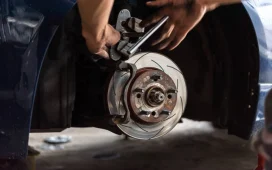
Apart from routine maintenance, drivers should be mindful of indicators pointing possible braking issues. Often indicating worn-out brake pads that require replacement are squeaking or grinding noises during braking. A spongy or sluggish brake pedal can point to low brake fluid or air in the brake lines. Should your car veer to one side when braking or experience vibrations, your brake rotors may be deformed. Early attention to these warning indicators will help to stop more damage and guarantee road safety.
Expert Service Intervals for Brakes
Despite regular checks, your brakes will need service. Most brake pads last 25,000–70,000 miles, depending on composition and driving. Brake fluid should be changed every 2–3 years to maintain hydraulic pressure. If rotors and callipers wear out or corrode, they may need replacement.
The Effect of Temperature on Brake Wear
Weather also affects brake check frequency. Driving in wet, snowy, or icy weather increases brake use and rotor and pad wear. Winter road salt exposure can cause brake component corrosion, reducing braking efficacy. Regular driving in poor weather requires additional brake inspections to maintain their quality.
Conclusion
Safety and lifetime of your car depend on regular brake inspections. You may lower your chance of brake failure by keeping up a maintenance plan, changing your driving behaviour, and acting fast to address warning signals. Prioritizing brake maintenance will give you and others on the road peace of mind and safer driving conditions whether you arrange a specific inspection or check your brakes during regular servicing.