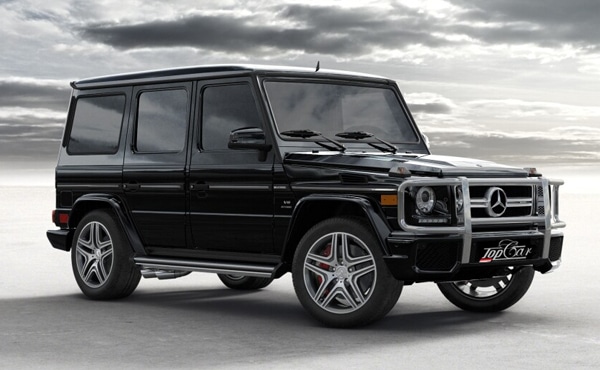
The world of bulletproof vehicles sparkles with the promise of unmatched security, but a single misstep in selection or care can shatter that illusion. Myth and misinformation swirl around the industry, leading buyers into traps that can jeopardize safety, performance, and even financial investment. Before trusting your life or assets to an armored car, it’s essential to separate fact from fiction.
Myth 1: Bulletproof Vehicles Offer Absolute, Invincible Protection
Imagining a luxury SUV impervious to all attacks feels reassuring, but reality paints a more nuanced picture. Every armored vehicle is designed to meet specific ballistic ratings, typically based on international standards like NIJ or VPAM. This means a car rated to withstand handgun fire may not fend off rifle rounds or explosive threats.
Understanding Ballistic Ratings and Their Limits
Ballistic ratings define what a vehicle can resist, whether it’s 9mm ammunition or higher-caliber rounds. However, even the highest-rated armoring has thresholds. Prolonged or repeated attacks, unconventional weaponry, or targeted strikes to vulnerable spots can compromise protection.
Why No Vehicle Is Completely “Bulletproof”
The term “bulletproof” is misleading. Engineers build armored vehicles with reinforced glass, steel, and composite materials, but absolute invulnerability does not exist. Instead, they buy occupants critical time to escape or seek help.
Realistic Expectations for Armored Vehicle Performance
Trust in your vehicle’s capabilities, but don’t overestimate them. Understanding the rating and its implications helps you make smart decisions about risk and use, especially in high-threat environments.
Myth 2: All Armored Vehicles Are the Same
Not all armored vehicles are built equal, and believing otherwise can lead to costly mistakes. Sedans, SUVs, and cash-in-transit (CIT) vehicles are engineered for distinct roles.
Differences Between Armored Cars, SUVs, and Cash-In-Transit Vehicles
An executive sedan prioritizes discretion and comfort, while a CIT vehicle focuses on cargo protection and security features. SUVs often strike a balance between mobility, off-road capability, and armor.
Customization: Why One Size Doesn’t Fit All
Threat levels, passenger needs, and regional regulations require tailored solutions. Custom armoring ensures that every detail, from window overlap to tire reinforcements, fits your lifestyle and risk profile.
The Importance of Choosing a Certified Armoring Company
Certification is critical. Firms with proven track records, like Troy Armoring armored cars, ensure compliance with industry standards and rigorous quality control, dramatically reducing the risks of faulty installation or weak points.
Myth 3: Armoring Does Not Affect Vehicle Performance
Adding armor transforms a regular vehicle into a mobile fortress, but it also adds hundreds of kilograms. This extra weight alters everything about how the car drives.
How Added Armor Impacts Suspension, Brakes, and Handling
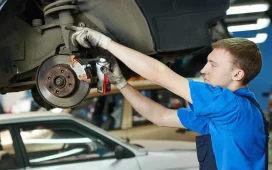
Factory-standard suspension and brakes are not designed for the added load. Failing to upgrade these systems leads to sluggish handling, longer stopping distances, and premature wear.
Upgrades Needed to Maintain Safety and Comfort
Professional armoring firms replace or upgrade critical components, including brakes, axles, and tires, to restore safety and ride quality.
Consequences of Skipping Performance Enhancements
Skipping these upgrades undermines the whole point of armoring: safety. Poor handling or brake failure in an emergency can be disastrous.
Myth 4: Maintenance for Bulletproof Vehicles Is the Same as Regular Cars
Routine car maintenance habits do not translate to armored vehicles. Their unique components demand specialized knowledge.
Unique Maintenance Needs for Armored Vehicles
From ballistic glass to reinforced hinges, every part requires periodic inspections. Special lubricants, adjusted tire pressures, and checks for armor fatigue are standard.
Importance of Using Specialized Spare Parts
Generic replacement parts can’t handle the stresses of an armored vehicle. Only certified, purpose-built components, often supplied by the original armoring company, guarantee ongoing protection.
Post-Sale Service: What to Expect and Demand
Expect comprehensive support: from regular checkups to emergency repairs. Top-tier providers offer dedicated post-sale programs to keep your investment, and your life, secure.
Myth 5: The Cheapest Armored Vehicle Is a Smart Investment
Budget options can be seductive, but bargain-basement armoring often hides costly secrets.
Hidden Costs Behind Low-Priced Armoring
Cheaper vehicles may skimp on quality control, cut corners during installation, or use substandard materials that degrade quickly.
Risks of Cutting Corners on Materials and Installation
Inferior armor may look identical, but it won’t provide the same level of protection. In real-world attacks, these shortcuts can prove fatal.
Why Invest in Quality and Certified Armoring
High-quality, certified armoring pays for itself in reliability and peace of mind. It’s an investment in lives, not just assets.
Myth 6: Bulletproofing Is Only About Protection Against Bullets
Thinking only of bullets ignores other threats, from explosives to forced entry attempts.
The Role of Explosion Resistance and Other Threats
Comprehensive armoring addresses risks like blast protection, fire, smoke, and even chemical attacks, expanding the safety net for occupants.
Integrating Security Systems for Comprehensive Protection
Many high-end vehicles incorporate run-flat tires, fire suppression, and tracking systems as part of an integrated security solution.
How Armoring Addresses Multiple Security Scenarios
Modern armored vehicles are designed to withstand a full spectrum of attacks, not just gunfire.
Myth 7: DIY or Aftermarket Armor Can Replace Professional Armoring
Amateur or aftermarket solutions might seem tempting, but they rarely meet professional standards.
The Risks of Non-Professional Armoring Solutions
Improperly installed armor creates weak points and can even cause structural failures.
Industry Standards and Regulatory Compliance
Professional companies adhere to strict guidelines and certifications, ensuring every aspect of the build is tested and reliable.
Why Professional Armoring Companies Like Troy Armoring Matter
Trusted providers deliver not just expertise, but also accountability, critical for something as vital as personal security.
Conclusion: Making Informed Decisions for Maximum Safety and Confidence
Choosing and maintaining an armored vehicle is about more than a checklist. It’s about understanding the myths, asking tough questions, and prioritizing quality over shortcuts.
– No vehicle is truly “bulletproof.” Know its limits.
– Certification and customization matter.
– Maintenance is specialized and crucial.
– Cheap armoring can be more dangerous than none at all.
– Professional expertise cannot be replaced.
Those who demand the highest standards trust industry leaders. If you are in the market, do your research, seek certified solutions, and take advantage of resources from established firms like Troy Armoring. Your peace of mind, and safety, depends on it.