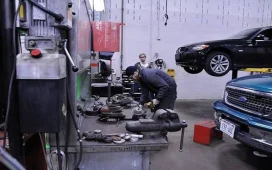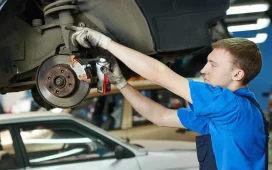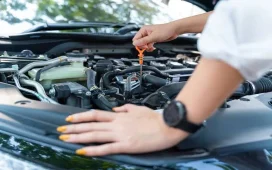
Serious accidents can leave several parts of a vehicle needing careful attention before regular driving resumes. Collision damage may affect body panels, structural sections, glass, lights, and connected safety features. A detailed inspection helps identify affected areas while guiding suitable repair steps. Skilled workmanship supports accurate restoration while preserving proper function. The vic vaughan collision body shop repair process can provide organised attention from assessment through completion.
Detailed Damage Assessment
A complete inspection helps locate visible damage while checking areas that may need closer attention. Technicians examine body sections, structural points, glass and connected components before starting restoration work. This approach helps create a clear repair plan based on the condition of each affected area. Careful assessment also supports accurate decisions about repair methods, replacement needs, and finishing requirements.
Accurate Structural Alignment
Strong structural positioning is important when an accident affects the main body framework. Technicians use suitable measuring equipment to check important points before correcting areas that have shifted from their intended positions. Proper alignment helps connected parts fit correctly while supporting dependable handling during everyday driving.
Precise Panel Restoration
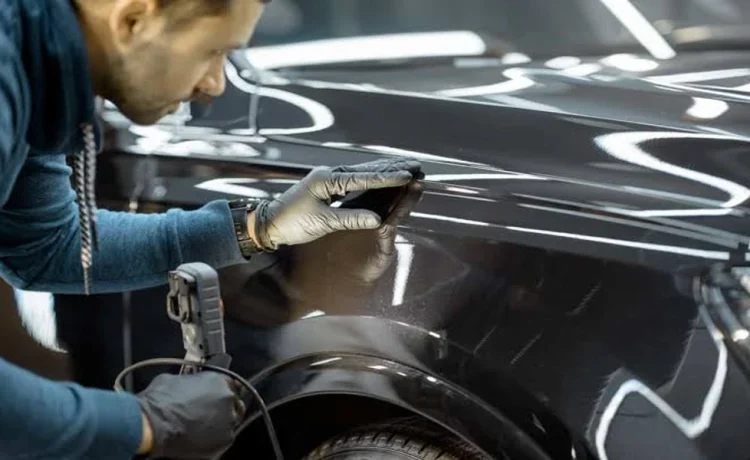
Body panels can require reshaping, replacement, or careful surface preparation after a serious impact. Skilled technicians work to restore suitable sections while ensuring connected panels fit together correctly. Consistent spacing supports a neat finish while proper fitting helps prevent unwanted movement around repaired areas. During vic vaughan collision body shop repair, precise panel work can support a clean appearance and dependable component placement.
Safety Feature Inspection
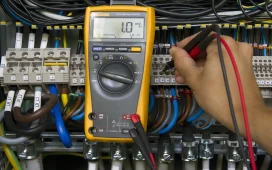
Important safety-related components deserve close attention after substantial impact because damage may extend beyond visible exterior sections. Technicians inspect connected features while checking glass placement, lighting elements, sensors, and electrical connections where applicable. These checks help confirm that repaired areas work correctly before the vehicle returns to regular use.
Organised Restoration Work
A planned sequence helps keep restoration tasks orderly from initial inspection through final checks. Each repair stage can be completed with attention to fitting, alignment, surface quality, and connected components. Useful checks include:
- Accurate measurements support correct positioning across affected structural sections.
- Careful fitting keeps connected panels properly aligned during restoration.
- Clear inspection records help track completed repair stages efficiently.
- Detailed finishing checks support consistent results across restored areas.
- Functional testing confirms important components operate correctly before completion.
Reliable restoration depends on careful assessment, accurate positioning, and thorough checking throughout the repair process. Collision work should address structural sections, body panels, glass and safety-related components according to their condition. Skilled attention can help restore dependable function while maintaining a clean overall finish. Choosing qualified technicians with suitable equipment supports organised workmanship.