The brake system and steering wheel control are closely linked in vehicle safety. Proper functioning of both systems ensures safe and smooth driving. If one system has issues the other may also be affected. For this reason service centers inspect both systems together. They offer multiple tiers of inspection and maintenance to cover all related components. Understanding these tiers helps drivers maintain optimal control and safety on the road.
Basic Brake and Steering Inspection
The first tier includes a general inspection of brake and steering components. Technicians examine brake pads rotors and fluid levels to check for wear and leaks. They also check steering linkage and fluid to ensure proper operation. This basic inspection helps catch obvious issues before they become serious. Clients get a clear overview of the health of both systems. This tier is the first step in maintaining safe vehicle handling and braking.
Detailed Brake System Evaluation
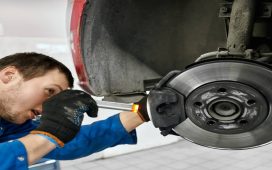
The second tier focuses deeper on the brake system to assess performance and safety. Technicians measure pad thickness and rotor condition to determine remaining lifespan. They inspect brake lines and calipers for damage or corrosion that may reduce effectiveness. Brake fluid is tested for contamination or degradation which affects braking power. This tier helps prevent brake failure which directly impacts steering control during stops. Drivers benefit from better braking response and safer handling.
Comprehensive Steering System Check
The third tier addresses detailed steering system components that influence wheel control. Technicians examine tie rods ball joints and steering racks for wear or play. They check for loose connections or damaged parts that cause steering instability. Power steering fluid is tested and replaced if needed to maintain smooth operation. This service ensures precise steering feel and prevents unexpected steering behavior. It supports driver confidence and accurate vehicle control. Look for the Auto Repair in Tucson, Az based service here.
Brake and Steering System Integration Test
The fourth tier tests the interaction between brake and steering systems under real driving conditions. Technicians perform road tests to observe how the vehicle responds when braking and steering simultaneously. They check for vibrations pulling or delayed responses that signal system issues. This integrated test detects problems that may not appear during separate inspections. The service improves overall vehicle stability and control during emergency maneuvers. Drivers receive enhanced safety and performance.
Advanced Diagnostic and Repair Service
The highest tier uses advanced diagnostics to identify hidden faults in brake and steering electronics. Technicians connect to onboard computers to retrieve error codes and system data. They evaluate components such as ABS sensors brake boosters and electronic steering assists. Repairs or software updates are performed to fix detected malfunctions and optimize system performance. This tier ensures modern vehicles maintain reliable braking and steering functions. It provides peace of mind through thorough professional maintenance.
The brake and steering systems work together to keep a vehicle safe and controllable. Basic inspections identify visible wear or fluid issues that affect both systems. Detailed brake evaluations protect against failures that reduce braking power and steering control. Comprehensive steering checks improve responsiveness and prevent steering instability. Integration tests reveal problems that only occur during combined braking and steering. Advanced diagnostics fix electronic faults for modern vehicle safety. Service tiers allow drivers to choose the right level of care for their vehicle. Maintaining both brake health and steering wheel control together delivers the best driving safety and comfort.