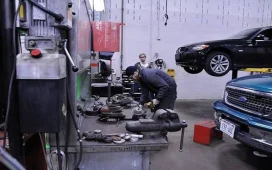
When your beloved motor reaches the end of its journey, choosing the right car scrap service becomes more than a mere convenience—it transforms into an environmental imperative that could determine the ecological fate of one of Asia’s most densely populated nations.
In the shadowy corners of Singapore’s industrial landscape, a quiet revolution unfolds daily. Towering metal mountains rise and fall like mechanical tides, each representing thousands of vehicles that once navigated the island’s pristine highways. Yet beneath this seemingly mundane process lies a complex web of environmental responsibility, economic opportunity, and regulatory precision that few motorists ever contemplate.
The Anatomy of Responsible Vehicle Disposal
Singapore’s approach to end-of-life vehicles reveals the intricate choreography required when space remains at an absolute premium. Unlike sprawling nations where abandoned cars might rust peacefully in forgotten fields, the Lion City demands surgical precision in its waste management protocols.
Professional car scrap services operate under stringent governmental oversight, ensuring that every component—from the smallest electrical wire to the heaviest engine block—follows predetermined pathways toward recycling or disposal. The process begins long before your vehicle reaches the scrapyard, with detailed documentation requirements that track each automobile’s journey from registration to destruction.
Environmental Implications That Extend Beyond Borders
The environmental mathematics prove startling when examined closely. A single passenger vehicle contains approximately:
- 65% iron and steel materials
- 16% aluminium and other metals
- 7% rubber compounds
- 4% glass components
- 8% miscellaneous materials including plastics and textiles
Each percentage represents potential environmental benefit or catastrophe, depending entirely upon the handling methodology employed by your chosen car scrap service.
Dr. Sarah Chen, environmental policy researcher at the National University of Singapore, observes: “The efficiency of our vehicle recycling programmes directly correlates with Singapore’s ability to maintain its environmental commitments whilst managing one of the world’s highest vehicle turnover rates per capita.”
Economic Undercurrents in the Scrap Metal Trade
The global commodities market exerts profound influence over local car scrap service operations. When steel prices surge in Shanghai or aluminium demand spikes in Mumbai, the ripple effects reach Singapore’s scrapyards within hours. This economic interconnectedness creates opportunities for vehicle owners who understand market timing, yet also introduces volatility that can dramatically affect disposal costs.
Recent analysis suggests that strategic timing of vehicle disposal—coordinated with commodity price peaks—could generate substantial returns for owners whilst simultaneously supporting the circular economy principles that Singapore champions internationally.
Navigating Regulatory Frameworks
Singapore’s Land Transport Authority maintains comprehensive oversight of vehicle disposal processes, requiring specific documentation and procedural compliance that distinguishes legitimate operators from questionable alternatives. The regulatory framework encompasses:
- Certificate of Entitlement (COE) surrender procedures
- Proper deregistration documentation
- Environmental compliance certifications
- Waste disposal permit requirements
- Metal recovery and recycling protocols
Understanding these requirements prevents costly delays and ensures full legal compliance throughout the disposal process.
The Technology Revolution in Vehicle Recycling
Advanced sorting technologies now enable car scrap service providers to achieve previously impossible levels of material recovery efficiency. Sophisticated magnetic separation systems, density-based sorting mechanisms, and chemical analysis tools have transformed what was once crude dismantling into precision engineering.
These technological advances particularly benefit Singapore’s limited landfill capacity, as higher recovery rates mean fewer materials requiring permanent disposal. The economic implications extend beyond environmental benefits, creating employment opportunities in high-technology sectors whilst reducing dependence on raw material imports.
Choosing Quality Over Convenience
The proliferation of car scrap service options across Singapore creates both opportunity and confusion for vehicle owners. Distinguishing between operators based solely on convenience or immediate payment offers often overlooks crucial factors including:
- Environmental compliance records
- Material recovery efficiency rates
- Proper documentation handling
- Insurance and liability coverage
- Long-term business stability
Investigative research reveals significant variations in operational standards across the industry, with some providers cutting corners on environmental protocols to maximise short-term profits.
Future Implications for Urban Planning
Singapore’s vehicle disposal strategies increasingly influence broader urban planning decisions. The integration of car scrap service facilities within industrial zones requires careful consideration of transport logistics, environmental impact, and community acceptance.
Forward-thinking city planners recognise that efficient vehicle recycling infrastructure supports Singapore’s transition toward sustainable transport systems, including increased electric vehicle adoption and enhanced public transport networks.
The Path Forward
As Singapore continues its evolution toward carbon neutrality and enhanced environmental stewardship, the role of professional car scrap service providers becomes increasingly critical. Vehicle owners possess the power to support this transformation through informed disposal decisions that prioritise environmental responsibility alongside economic considerations.
The choices made today in Singapore’s scrapyards will echo through decades of environmental policy and urban development. Every vehicle properly processed through legitimate car scrap service channels contributes to the island nation’s sustainable future whilst demonstrating that environmental responsibility and economic pragmatism need not remain mutually exclusive.
The next time your vehicle approaches retirement, remember that your disposal decision extends far beyond personal convenience—it represents a vote for Singapore’s environmental future and a testament to the sophisticated car scrap service industry that makes urban sustainability possible.